



Amazon's new AI shopping tools are drawing criticism from small business owners who say the company is listing and selling their products without permission.
The retail giant has been rolling out AI-powered features that it says will make shopping easier for customers, even from retailers that don't sell directly on Amazon. But many small business owners are pushing back, alleging Amazon crossed a line by inserting itself into transactions they never agreed to.
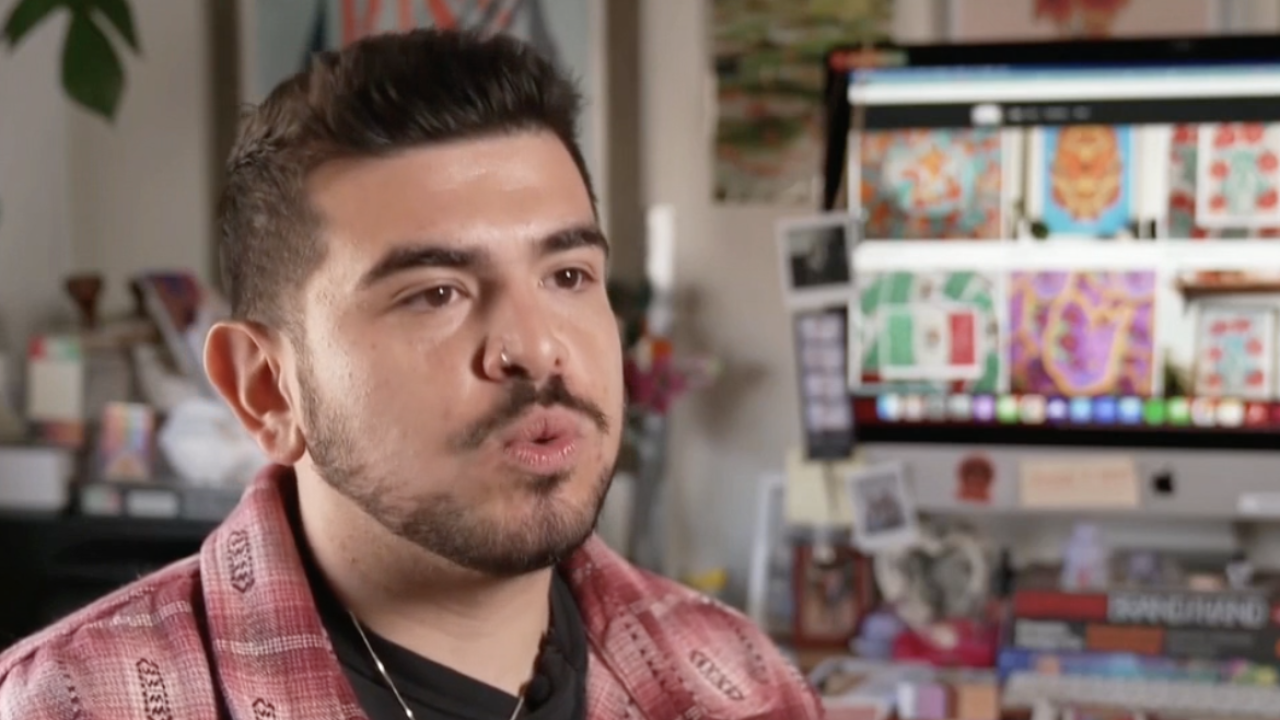
Brayan Montes-Tarazas, owner of Denver-based company YamzWorld, discovered his art products were being sold on Amazon without his knowledge or consent. His company features bright colors and bold designs aimed at uplifting marginalized voices.
"I typed in YamzWorld into the Amazon app and lo and behold there were all my products there with my pictures from my website as well," Montes-Tarazas said.
While he receives payment for sales, Montes-Tarazas said the arrangement strips away his ability to build direct customer relationships.
"I do get the sale and I do get the money, but customers never get to interact with my website, they have no ability to sign up for my mailing list. They have no idea who I am as an artist or what I stand for," Montes-Tarazas said.
RELATED STORY | Amazon cuts 16,000 jobs, just months after 14,000 layoffs
His products appear as part of Amazon's "Shop Direct" program, which debuted last year. The program sometimes includes a "Buy for Me" button — an AI agent that can purchase products from other websites on a shopper's behalf.
Montes-Tarazas said he was never notified about his inclusion or given a chance to opt out.
"It kind of just appeared from thin air. Corporations are going to make it harder and harder for us to be able to opt out of whatever they deem fit for us," Montes-Tarazas said.
He launched a discount code to steer customers away from Amazon, joining businesses across the country speaking out against what they say feels like a forced partnership.
Abby Glassenberg, president of Craft Industry Alliance, noted the lack of transparency compared to other AI partnerships in e-commerce.
"When the partnerships between Shopify and OpenAI, between Etsy and OpenAI, happened, there were big press releases from both companies, and it was like a big announcement, whether you liked it or you didn't like it, you were made aware. And in this case with Amazon, there was no announcement," Glassenberg said.
In a statement to Scripps News, Amazon did not acknowledge the lack of notice but said the programs have "received positive feedback." The company said "businesses can opt out at any time" by emailing branddirect@amazon.com, adding they are removed "promptly."
RELATED STORY | As AI improves, real-time deepfakes pose growing risks
Amazon has increasingly relied on third-party merchants to list products, saying 60% of sales on the platform now come from independent sellers.
"If they really cared about small business, I think there's lots of ways to be able to help us grow," Montes-Tarazas said. "We know that small business and entrepreneurship is the number one way to achieve wealth in this country. And these corporations are making it harder and harder for us to continue to do that."
Amazon's push into e-commerce agents adds to the rush of technology trying to change how people shop online. Companies like OpenAI, Google and Perplexity have all released tools that allow customers to purchase products from retailers without leaving a chatbot window.
While Amazon wasn't able to provide updated numbers, in November the company said the number of products available through its Buy For Me program had increased from 65,000 at launch in February to more than 500,000.
