



HELENA — The Montana Department of Justice is making some changes to the state human trafficking hotline to speed up response times.
While the human trafficking hotline number will remain the same, 1-833-406-STOP (7867), the state has partnered with the national anti-human trafficking nonprofit, Safe House Project, to use their Simply Report platform.
Marian Davidson reports - watch the video here:
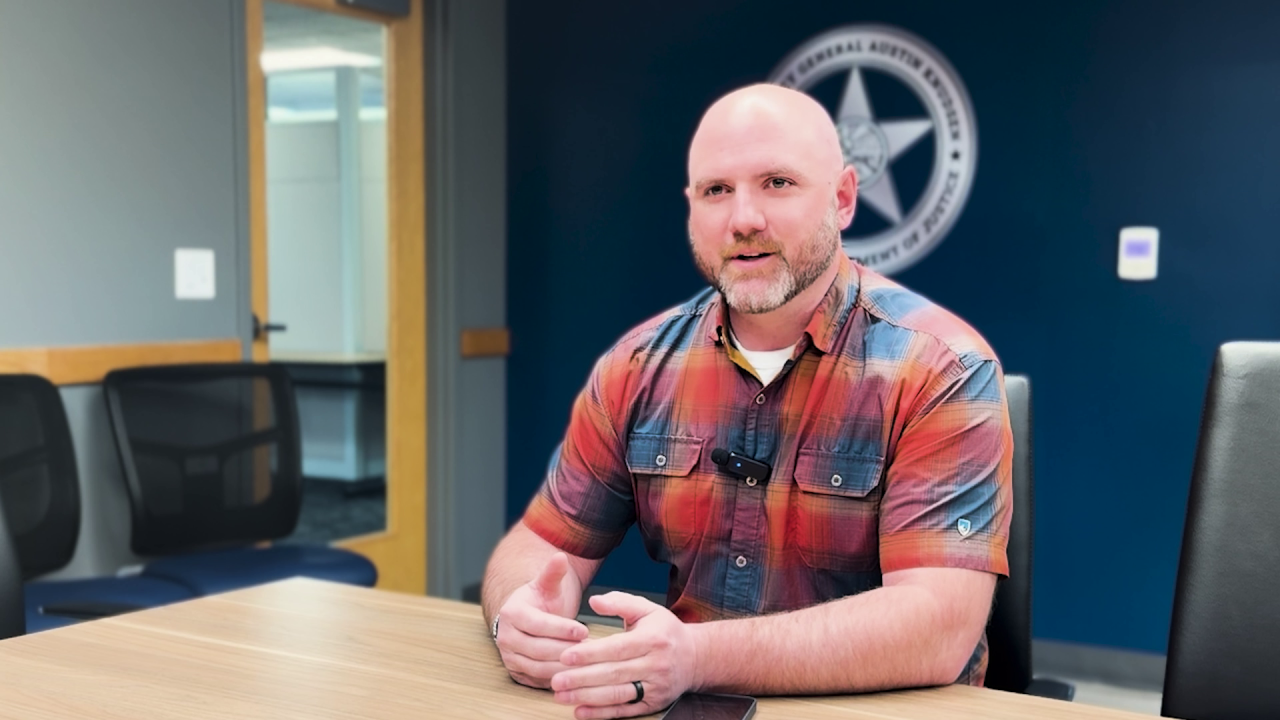
“When tips would come in on human trafficking, whether to our previous hotline, or to 911, or to the national hotline, there was a time in that where we didn’t know anything about it,” Montana Department of Justice Division of Criminal Investigation Human Trafficking Unit supervisory agent Andrew Yedinak said. “Sometimes, that time was hours, sometimes it was days, and sometimes it was weeks.”
Safe House Project rolled out the Simply Report platform about a year ago. It allows law enforcement—like the Montana Human Trafficking Unit—to see tips and information as soon as they are reported.
“I can put it in front of an agent the moment it comes in, and then potentially dispatch that case over to the locals,” Yedinak said.
Yedinak said this immediate access to tips speeds up response times, and in human trafficking situations, that’s critical.
“It’s everything,” Yedinak said. “It’s literally life or death in most, if not all, situations of human trafficking.”
According to Safe House Project co-founder and chief operating officer Brittany Dunn, Montana is the fourth state to implement Simply Report, and 25 more are in line to sign up with the platform. Thanks to donations, the platform is provided free of charge to law enforcement agencies.
Along with a traditional hotline, Simply Report has an app, so tips can be reported without making a call.
“I hope to see more arrests, more prosecutions and more rescues, frankly,” Montana Attorney General Austin Knudsen said.
Implementing the Simply Report platform is the latest step in the Montana DOJ’s effort to combat human trafficking. In 2019, the DOJ set up a human trafficking unit. Today, that unit has three agents and a victim advocate who handle cases across Montana.
“I think we are a lot better in the last couple of years at understanding the problem, understanding where it comes from and understanding that there’s a big demand for human trafficking in Montana,” Knudsen said.
While many people know about sex trafficking, there is another kind of human trafficking growing across Montana—labor trafficking. It’s just what it sounds like: people are forced into work, often taking home little to no money, and living in unfit conditions.
Yedinak said in Montana, labor trafficking is most often seen in the construction industry.
“We’ve worked several cases across the state where there’s 20 to 30 individuals living in a garage,” Yedinak said. “That’s just not acceptable by any standard.”
There are signs to look for that could indicate a human trafficking situation, including a relationship where one person has control over another, avoidance of eye contact, especially with men, and workers seemingly not able to leave their worksite.
When reporting a possible trafficking situation, Yedinak said the more detail, the better.
“Being a good witness is paramount in these cases,” Yedinak said. “Documenting dates and times, good physical descriptions of the individuals that are involved—both the victim and the suspect, clothing descriptions, locations.”
Through Montana’s human trafficking reporting system, that information can be relayed through a call to the state human trafficking hotline and through the Simply Report app.
The app is available for iPhones and Androids and is called “Simply Report.”
“This is all about response times,” Knudsen said. “This is going to help us get out there quick and do what we need to do.”
