
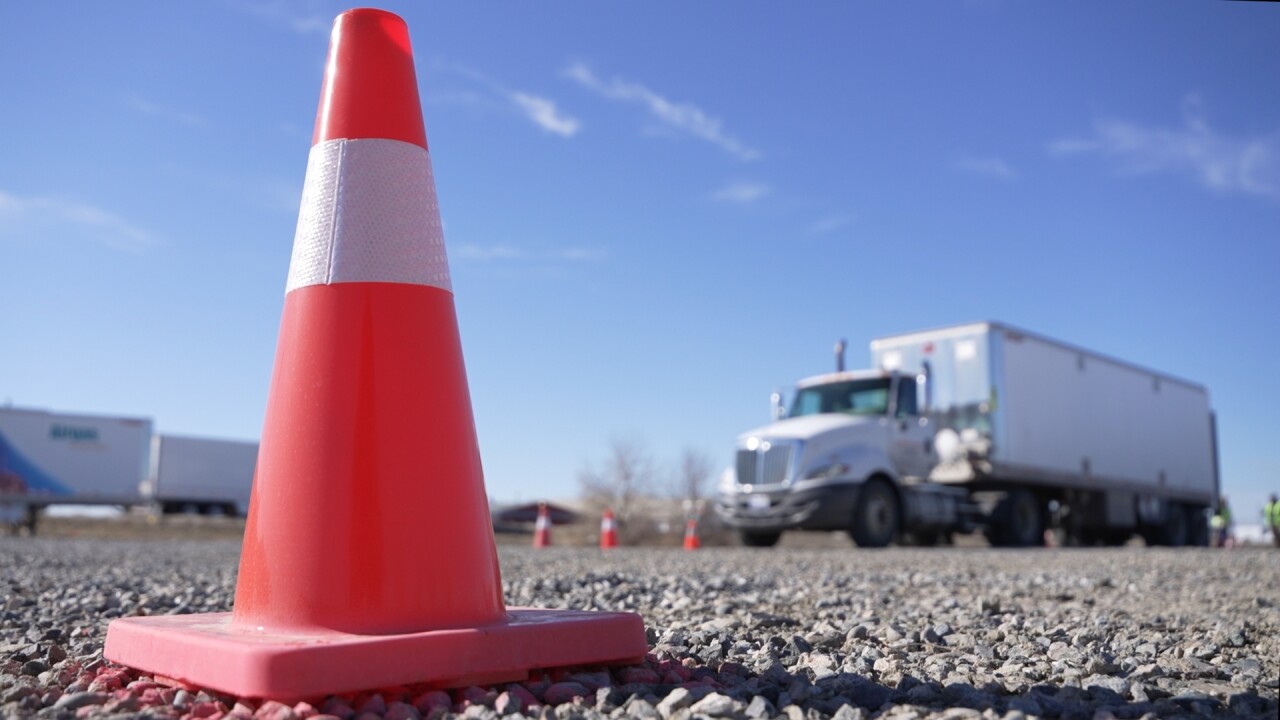

BILLINGS — As the trucking industry faces a national shortage of drivers, a Billings driving academy is working to help fill the gap.
Watch story below:
According to the American Trucking Association, trucking supports 8.4 million industry-related jobs nationwide, including 3.58 million professional drivers in 2024. The country faced a shortage of between 60,000 and 80,000 drivers in 2025, a gap that widened after the pandemic.
At the same time, the association says the industry hauled 11.27 billion tons of freight in 2024, down from 11.41 billion tons the previous year. Industry revenues also fell to $906 billion in 2024 from $1.004 trillion in 2023.
Daniel Robertson, owner of Driving Academy in Billings, which he opened last year, said the demand for drivers remains strong despite economic fluctuations.
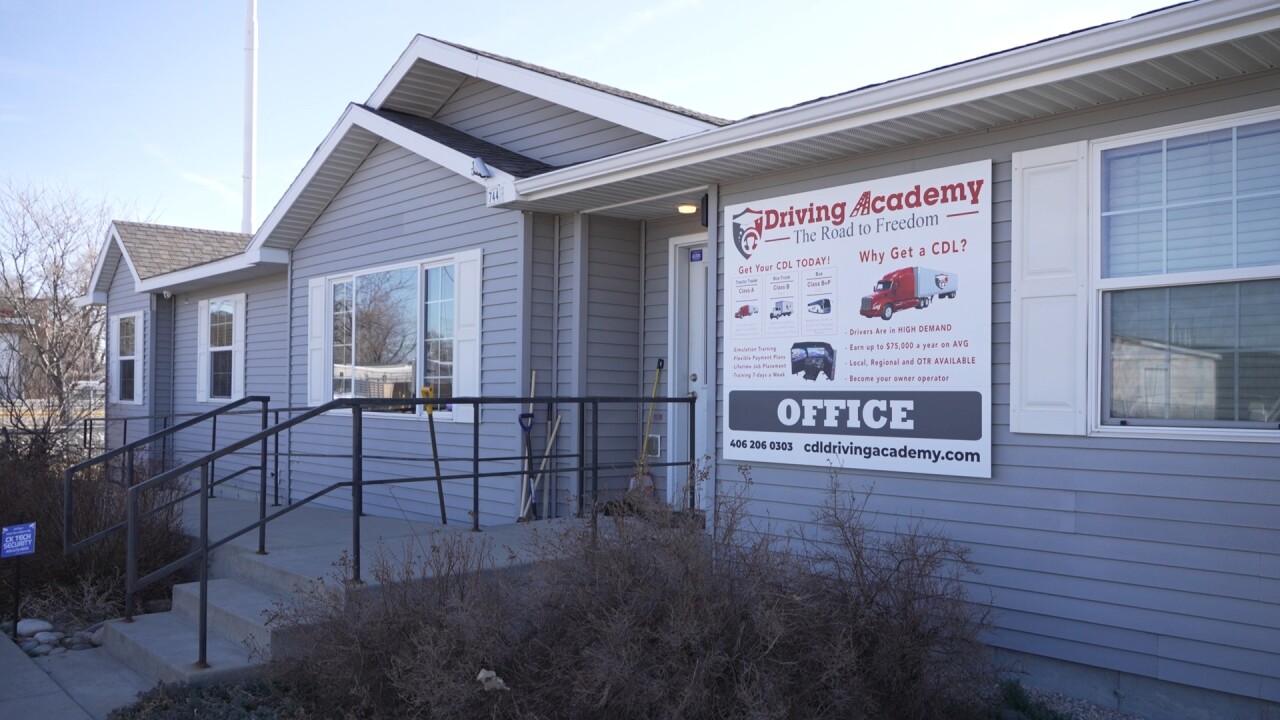
"There's an abundance of jobs, and they aren't being filled," said Robertson. "I'm not always sure that there's a shortage so much as, you know, a lot of people that just are done with the depressed wages and wages that don't track with inflation."
Robertson, a former science teacher who once drove construction trucks during summer breaks, now trains about 30 enrolled students to earn their commercial driver’s licenses, or CDLs. The course typically lasts four to six weeks and begins with online classroom instruction to obtain a learner’s permit. Students then move to hands-on training, practicing inspections, backing maneuvers, and road safety before scheduling a skills test with the Department of Motor Vehicles.
"We try and find jobs for people. It's places that will hire somebody out of school," said Robertson. "Hard part's waiting for the time with the DMV to go take your test.”
Willy Martin, who runs a part-time construction business that uses heavy machinery, enrolled in the program to keep his company operating.
“I'm obtaining my CDL through the Driving Academy. They actually work with your hours, and you can still work full-time," said Martin. “It's a little bit of a learning curve because it's a little bit bigger than some of the stuff I'm used to, but I've been around a lot of the equipment.”
The academy trains students for more than long-haul trucking jobs. Robertson said many positions that require a CDL, including bus drivers, garbage truck operators, and delivery drivers, often go overlooked.
On average, truck drivers earn between $60,000 and $70,000 per year. However, Robertson said take-home pay can shrink after insurance costs, fuel expenses, taxes, and fines.
“You see that they're making $5,000 in a week. They're going to be making a little less than $2,500,” said Robertson. It's not the driver's fault that they can't get a job. Sometimes it's really the insurance."
The job’s demands also deter some workers. Long stretches away from home, strict federal driving-hour limits, and a lack of truck parking infrastructure can add pressure. Drivers who exceed regulated hours can face steep penalties, yet finding legal parking when time runs out is not always easy.

"When it's time to be off the road, it's time to be off the road or else you're getting some pretty big trouble," said Robertson. "They'll pull over in a spot where maybe they're not supposed to, but they're stuck in a rock in a hard place."
Economic shifts also influence hiring. When freight demand drops, so does the need for drivers. Robertson said he has also heard concerns about wage competition and changing workforce expectations.
"I think people are not really willing to do that old school hard, over the road living, that they used to," he said. "We've heard about a lot of imported workers that are coming and working for a lot less than most of the drivers around here would be willing to work for. And then when the economy rises and falls, of course, the need for freight rises and falls."
Even so, Robertson believes opportunity remains strong for those willing to pursue it.
"If you have a CDL and you are unemployed, it's because you've made a decision. The jobs are there," he said.

For Martin, earning his CDL is about sustaining his livelihood. For Robertson, it’s about building a pipeline of trained drivers who can keep local businesses and the broader economy moving.
"There's so many jobs that aren't just hauling freight, though. We need CDLs. We need every garbage truck driver, every bus driver," said Robertson. "That's what I'm trying to do, is fill those gaps, especially the local needs.”
