


GREAT FALLS — While winter often signals the end of watering season for many homeowners, local nursery experts say this year’s dry and windy conditions mean plants may still need attention, even in the middle of winter.
Lower elevations across north-central Montana have seen below-average snowfall this winter, reducing the natural moisture plants typically rely on during colder months.
Watch the video here:
According to staff at Forde Nursery in Great Falls, the lack of snow combined with persistent wind can lead to dry soil and stressed root systems before spring even arrives.
“When the ground isn’t frozen, roots are still able to absorb moisture,” said Jersey DeHaven, nursery assistant manager with Forde Nursery. “If it’s above freezing, above about 40 degrees, and we’ve had a dry period, it’s a good idea to water.”
Staff recommended watering trees and shrubs about once a month during extended dry stretches, as long as temperatures are above freezing and the soil has thawed. Without that moisture, plants can suffer from what’s known as winter desiccation, a condition where plants dry out over the winter and may not survive into spring.
“A lot of people don’t know that plants need moisture to make it through the winter,” said Kathy Hernandez, nursery manager at Forde Nursery. “There’s something called winter desiccation where plants just dry out, and sometimes they won’t survive the winter if they don’t have any water.”
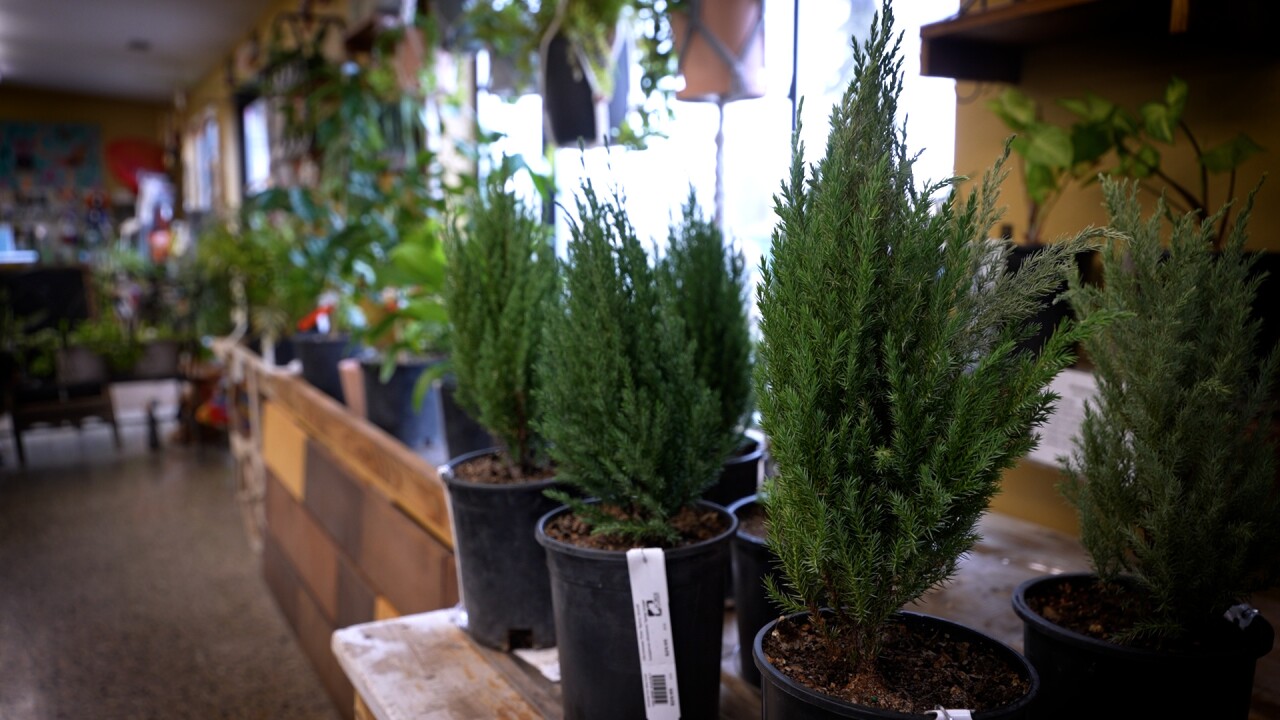
Evergreens such as pine, spruce, and juniper are especially vulnerable because they lose moisture year-round through their needles. However, nursery staff say newly planted trees and shrubs, typically those planted within the last five years, are also at higher risk because their root systems are not fully established.
Proper winter watering, they said, is less about frequency and more about technique. Water should be applied slowly and deeply, reaching about 12 inches into the soil to fully saturate the root zone. The focus should be on the drip line, the area beneath the outer edge of a tree or shrub’s branches, where most roots are concentrated.
Timing also matters. Watering should be done earlier in the day so excess moisture has time to soak in before overnight temperatures drop and freeze.
Another common concern among homeowners is whether watering in winter could cause plants to break dormancy too early. According to Hernandez, that’s a misconception.
“There is a preconceived notion that if you water your plants in the winter, they’re going to break dormancy… and that’s actually not true,” DeHaven said. “Plants break dormancy when the day length increases and when the temperature increases. Just watering your plants won’t cause that.”
In addition to watering, nursery staff recommend adding four to six inches of mulch around the base of trees and shrubs to help insulate roots and retain moisture during cold snaps.
With spring still a few weeks away, they say staying ahead of winter moisture needs now can make a noticeable difference later.
“You don’t want to be surprised come spring and realize a tree you invested in didn’t make it,” Hernandez said.
For homeowners unsure about how much water their plants need or which species are best suited for Great Falls’ dry, windy climate, Forde Nursery staff say they’re always available to answer questions in person, by phone, or online.
