

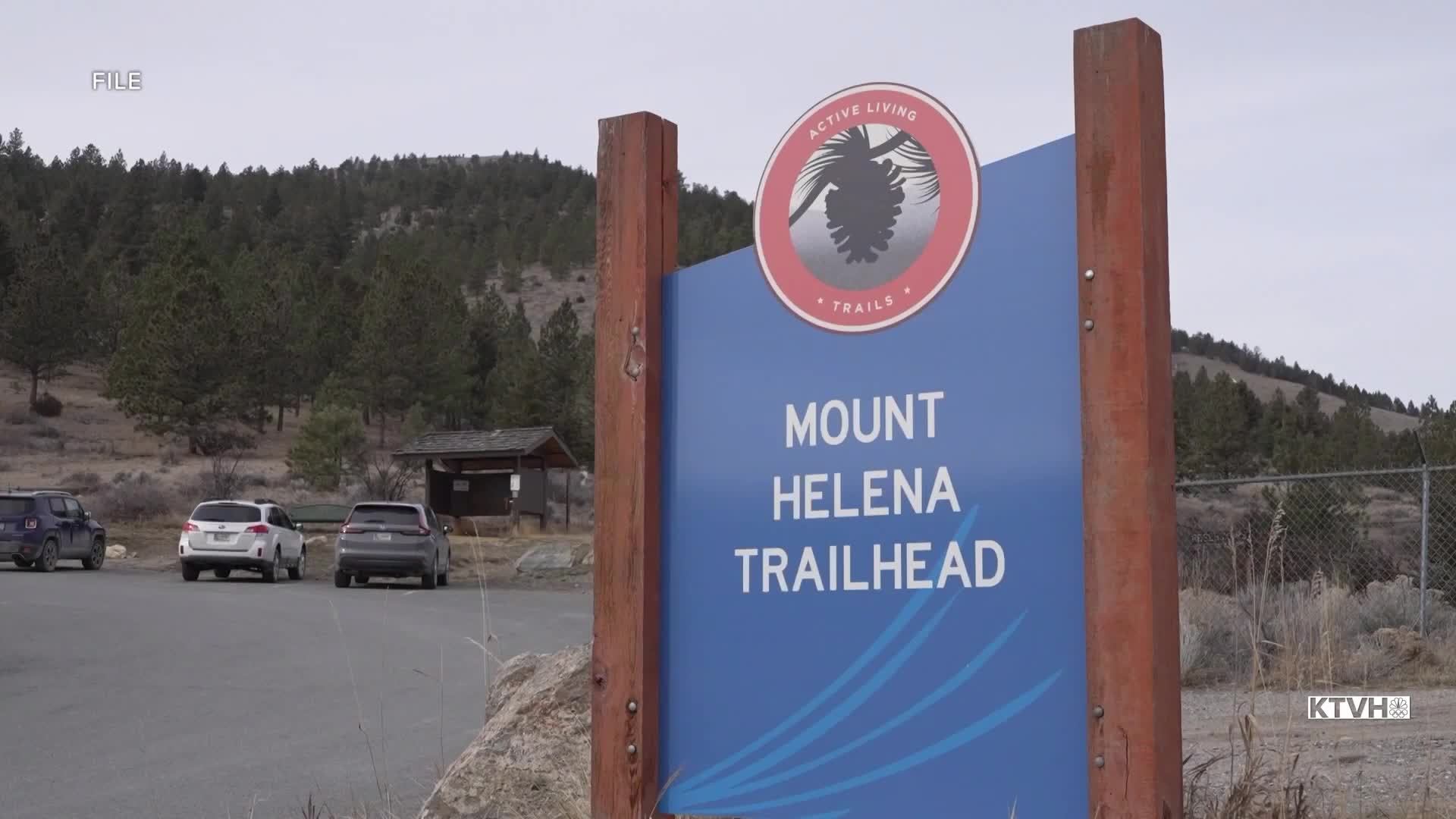


The city of Helena will soon begin work on Mount Helena, cleaning up damaged trees from December’s historic windstorm. Some changes are being made to those trees to better protect the environment.
The city has already been cleaning up trees from December's windstorm in more populated areas and is now shifting its focus to Mount Helena City Park.

Helena open lands manager Brad Langsather will supervise C.R.W. Recourses LLC, which the city contracted for cleanup.
“We have concentrations of wind-thrown trees, whether they're completely down on the ground or hanging up in other trees,” Langsather said.
Langsather says they’ve seen the most downed trees in the northwestern corner of the park, estimating around 1,000. Those trees will be cut from the roots and have limbs removed, to be put into slash piles for later burning.

Logs easily accessible to crews will be gathered in the summer and go towards firewood distribution programs for families to use next winter.
Larger logs — more than 6 inches wide — will stay where they are on the ground, but with a few changes. The city plans to cut off the bark from the top to the bottom every three inches to dry more easily.
These changes come with a purpose. Leaving the logs as is could create problems that would harm more trees than the windstorm damaged in the first place.
“We feel there could be an outbreak of bark beetles in this area that are gonna try to use this as a host tree,” Langsather said.
Langsather says some species of beetles are attracted to the moisture in the logs, leading to overpopulation and causing problems to the park ecosystem.

“They could potentially attack nearby living trees, and that's our concern, to mitigate that from happening,” Langsather said.
The city is no stranger to these beetles, having dealt with an outbreak in the last 10 years, losing up to 3,000 trees.
While they don’t have a set timeline, Langsather hopes to be as efficient as possible to avoid the risk altogether.
“Our goal is to get the work done before bark beetles emerge and fly in May,” Langsather said.
While no trails will be closed during the project, signs will be put in place to alert trail users of work in the area.
