

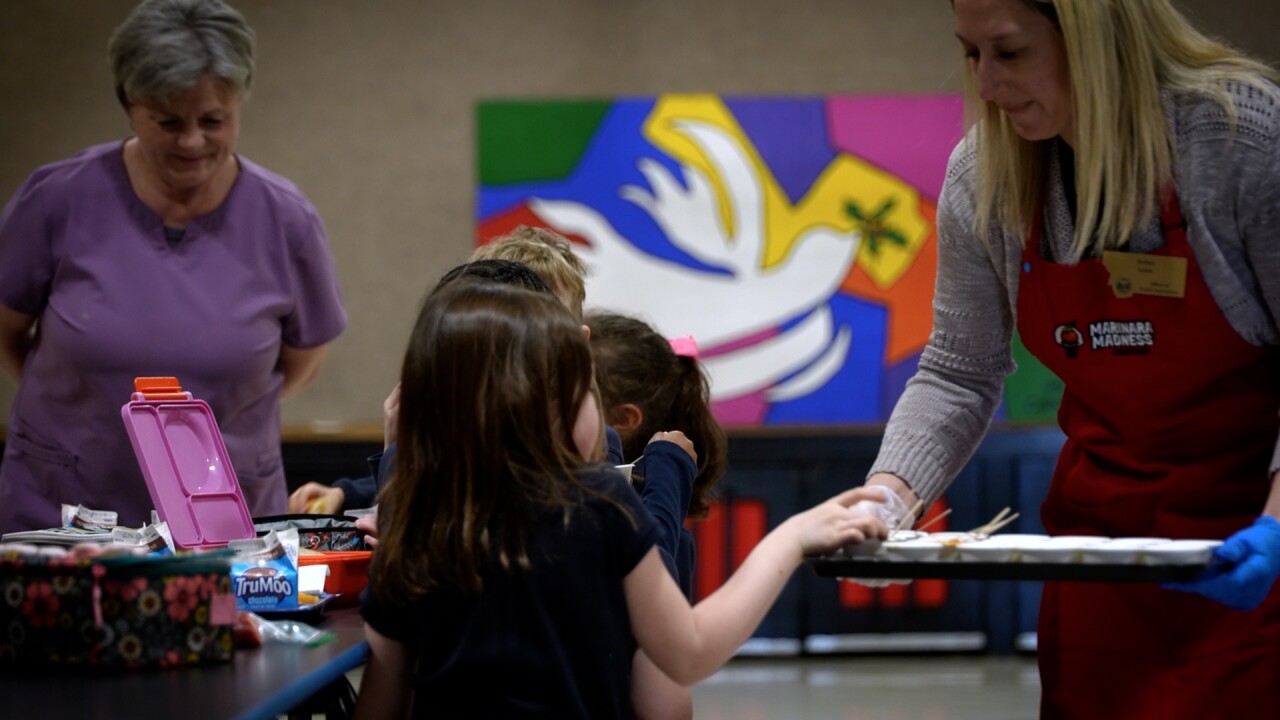


GREAT FALLS — Students at St. Patrick’s Academy East are getting a closer connection to where their food comes from… right on their lunch trays.
The school hosted a farm-to-school tasting event on Thursday, March 26th in partnership with the Montana Office of Public Instruction, giving students the chance to try products made with ingredients sourced across the state.
At the center of it all was “Montana Marinara,” a sauce that has become a staple in the school’s cafeteria.
Madison Collier reports - watch the video here:
Food Service Director Jim Mintsiveris says the product was created to make use of surplus ingredients, but it’s grown into something much bigger.
“They created Montana marinara about five years ago, and it was diced tomatoes from the USDA, and they'd get so much of it that we couldn't use it,” Mintsiveris explained. “So they came up with a marinara recipe that uses about 60% made in Montana products.”
The sauce, made with ingredients like carrots, onions, and squash grown in Montana, is now used in school kitchens across the state. For staff, it’s not just about convenience, it’s about quality and connection.
“This gives them a good base… it really helps on the quality coming out of kitchens,” he said.
To Laura O’Neill, director of the school, the program is also about supporting Montana agriculture and helping students understand where their food comes from.
“It gives us a chance to support our local farmers and the kids can see that and benefit from it nutritionally,” said O’Neill,
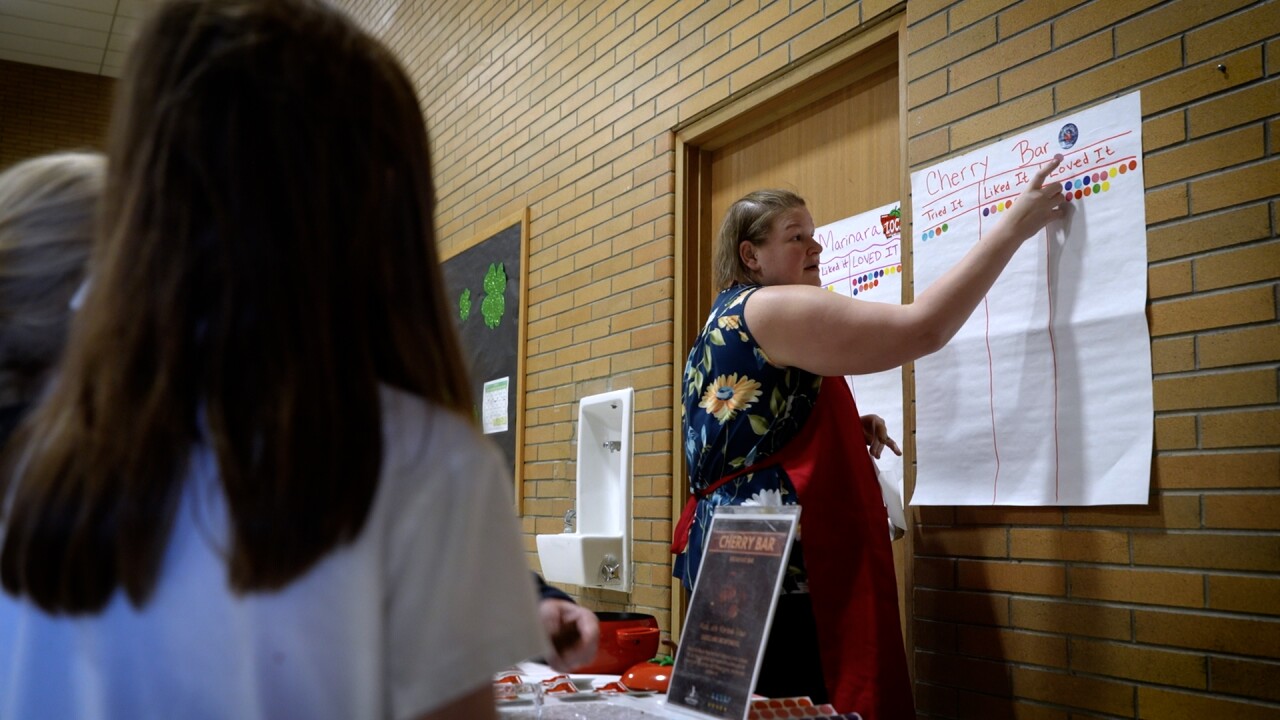
Students say they notice the difference.
“I really like the marinara sauce… it’s really tasty,” said Genna Newman, an 8th-grade student.
Others say the local connection makes it even more meaningful.
“I really appreciate all the work that farmers do. I think that's really difficult work. And I just really appreciate them working hard to make us food for us to eat,” Ethan Culcea added.
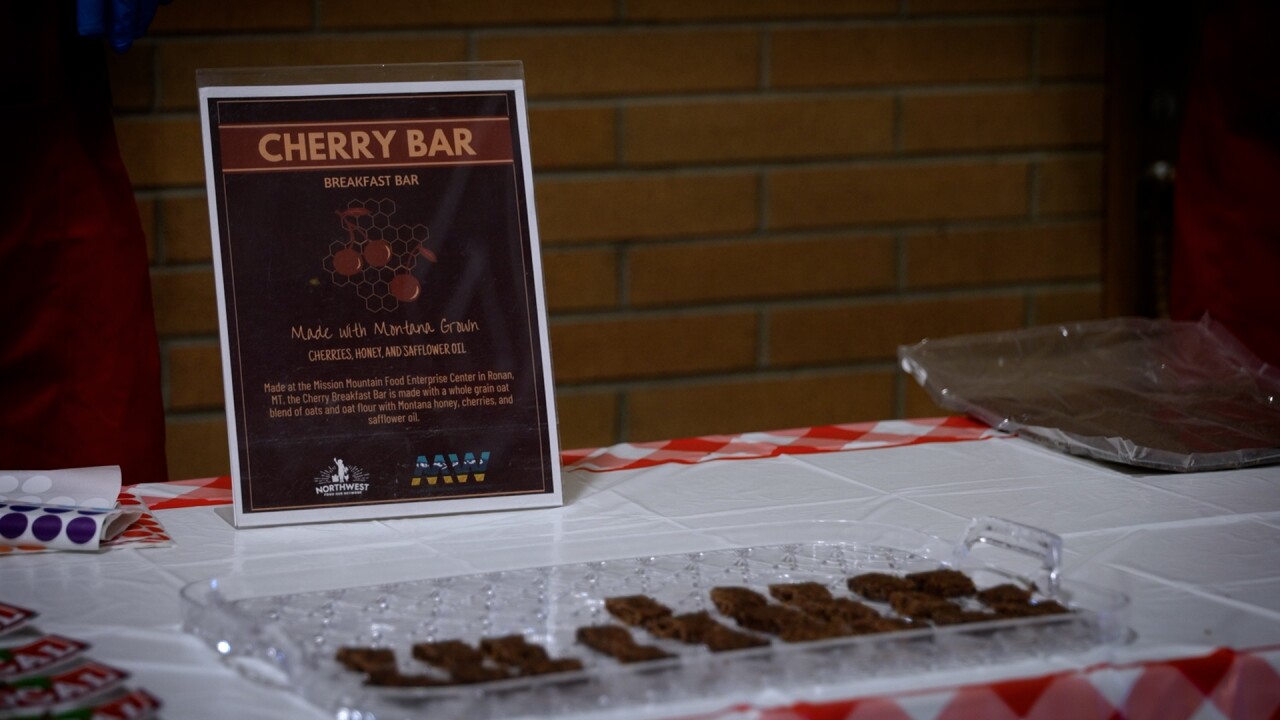
The tasting event also introduced students to what could be next on the menu. A new breakfast bar made with Flathead cherries with local grains and honey is currently being tested, offering another way to bring local ingredients into school meals.
Programs like this are part of a broader push to increase the amount of locally sourced food in schools. While that number has declined over the years, school officials say efforts like this are helping move things in the right direction.
“It just gives children the opportunity to try these things… which maybe they may not have an opportunity to do so,” O’Neill said.
As partnerships continue to grow, leaders say they hope to expand the program even further down the line, bringing more Montana-made products into cafeterias and strengthening the connection between students and the state’s agricultural roots.
For now, though, the response is already clear.
From the first bite to the last, students say it’s something they’re happy to see more of.
