



I have lived in Montana for eleven months. As a Black man in a predominantly white state, I have had moments that gave me pause — comments that were likely well-intentioned but landed differently than the speaker may have realized. I am not alone in that experience.
As America marks its 250th birthday, two Great Falls minority business owners are sharing what it is really like to be a person of color in Montana — and what they believe needs to change.
The Numbers
Between 2021 and 2023, Montana recorded 43 hate crime incidents, with race, ethnicity, and ancestry accounting for the largest share, according to FBI data. In a state where roughly 87 percent of the population identifies as white, and Black or African American residents make up approximately one percent, minority residents say everyday interactions can be complicated — even when no harm is intended.
Creating Your Own Rooms
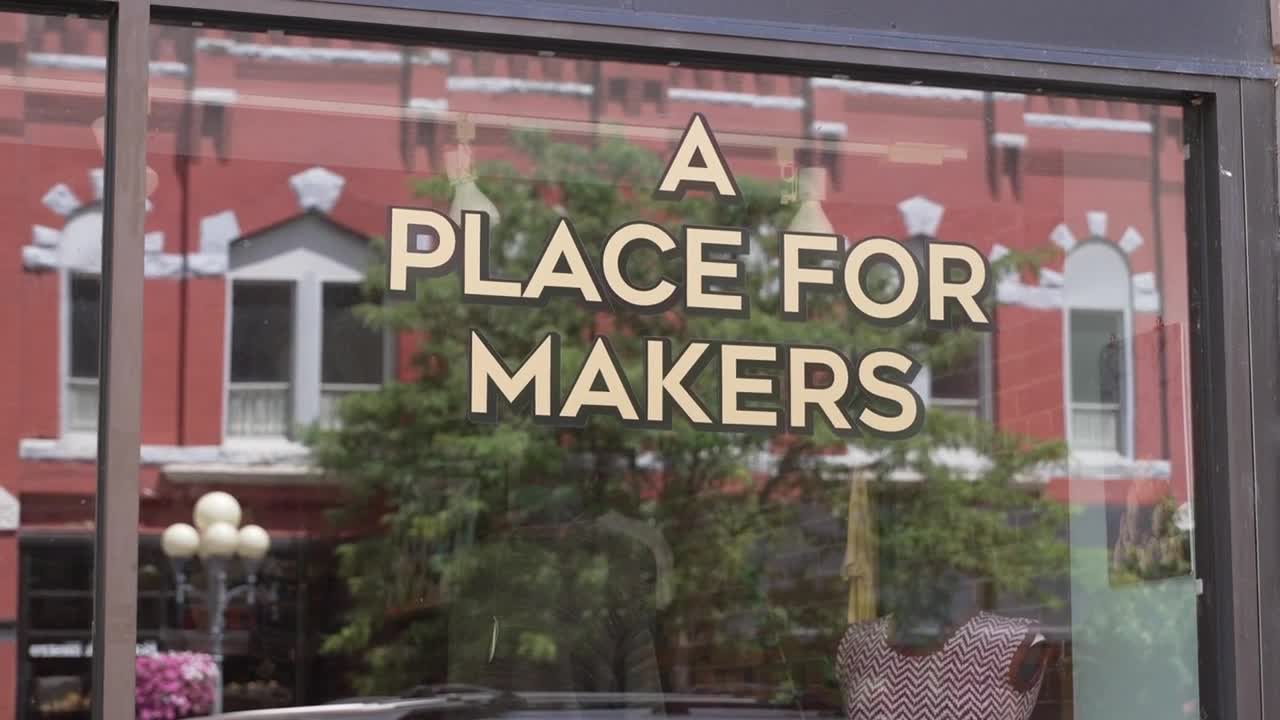
Candice English is the owner of Farmer's Daughter Fibers in Great Falls and a member of Sisters United, a community organization focused on supporting the indigenous community and vulnerable residents. As a Native woman who is white-passing, her experience navigating race in Montana is layered.
"I have found myself in rooms where maybe my perspective or what I'm bringing to the table isn't always valued. And instead of really pushing against the grain in those rooms, I've decided just to create my own rooms," English said.
Being white-passing, she says, means people sometimes feel it is safe to say things around her that they shouldn't.
Researchers describe these moments as microaggressions — subtle comments or behaviors that communicate a negative message, often without intent. A 2021 study published in the American Journal of Public Health found that repeated exposure to microaggressions is associated with significant negative mental health outcomes, including increased rates of depression and anxiety.
Being Black in Montana
Devon Kamaka, co-owner of Rocky Mountain Kartel in Great Falls, says the experience of being Black in Montana carries its own weight.
"It is tough being black in Montana. It's kind of a stigma here, but. Just keep push and be yourself. Everybody coming up? Just be yourself. That's all I got to say," Kamaka said.
Great Falls as a Surprise
Despite those challenges, both English and Kamaka say Great Falls has surprised them.
"I think what is really interesting about Great Falls is by looking at someone, you have no idea what their values are, and I think that's really unique in Montana. I think central Montana is very much like that, where you don't always know — you can't judge a book by its cover," English said.
The Path Forward
Both say understanding is where change begins. At Farmer's Daughter Fibers, English maintains a micro library of books by indigenous and Montana authors — open to anyone who walks through the door.
"I don't think it's a minority's responsibility to educate people," English said. "That being said, I'm always willing to have conversations with people."
As America turns 250, English and Kamaka say the conversation about race in Montana is one worth having — openly, honestly, and without assumption.
