


HELENA — Each morning at Helena Food Share, volunteers sort through donations from local grocery stores and community members, deciding what is suitable to stock on the shelves.
But food that doesn’t make the cut doesn’t necessarily go to waste.
For more than 15 years, Helena Food Share has worked with local farmers to give some of that food a second use, helping feed farm animals rather than sending it to the landfill.
Watch the story here:
“Anything that’s not suitable for the market gets donated to pig farmers,” Helena Food Share Operations Manager Joel Morey said. “It seems like a lot, but it’s really a small portion of our donations overall.”
That small portion can still add up to around 400 to 500 pounds of food a day.
Four local farmers make regular pickups throughout the week, taking items ranging from fruits and vegetables to bread and canned goods.
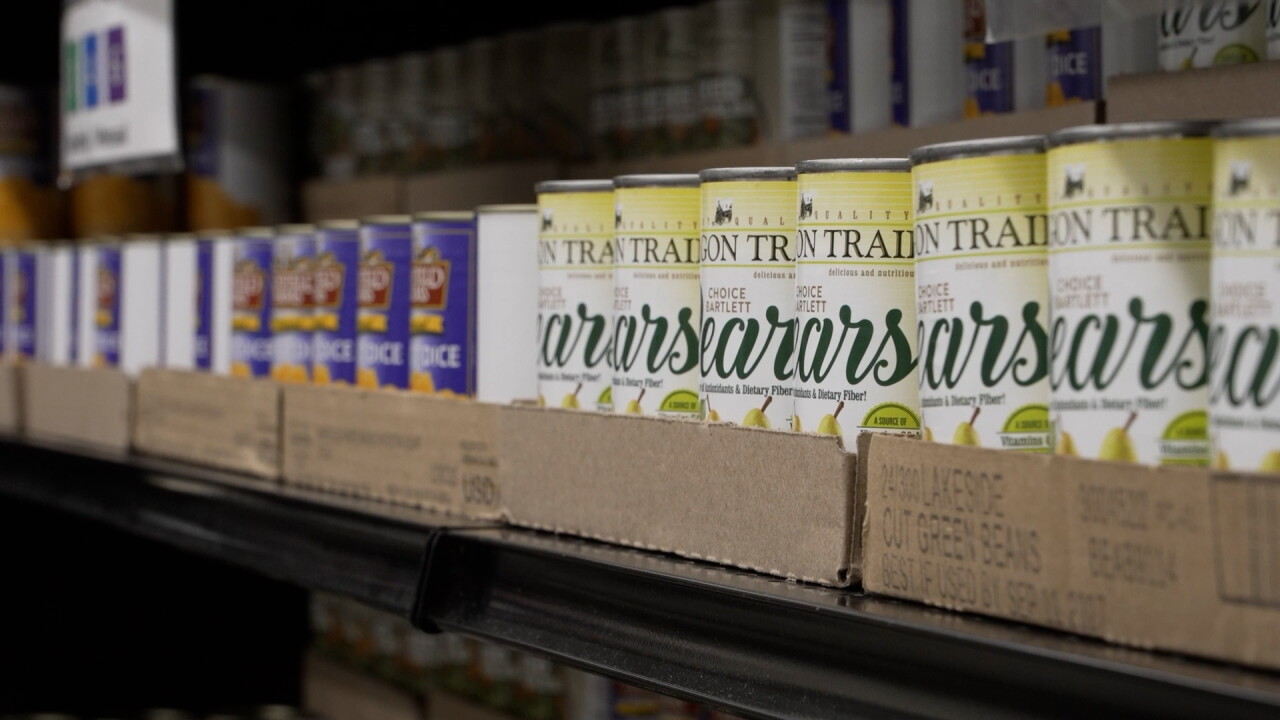
Morey said volunteers receive training on what can be put on the shelves and what needs to be set aside.
“There’s a lot of training, the volunteers in particular, to make sure they understand what’s acceptable and what isn’t,” Morey said. “We’re always reassessing that, making sure that we’re only putting the best quality foods out into the market.”
Not everything that is removed from the shelves goes to farmers, either. Morey said some items, such as citrus, aren't suitable for pigs and are composted instead.
Other foods require some additional work once they reach the farm. Canned goods, for example, have to be individually opened before their contents can be fed to the animals.
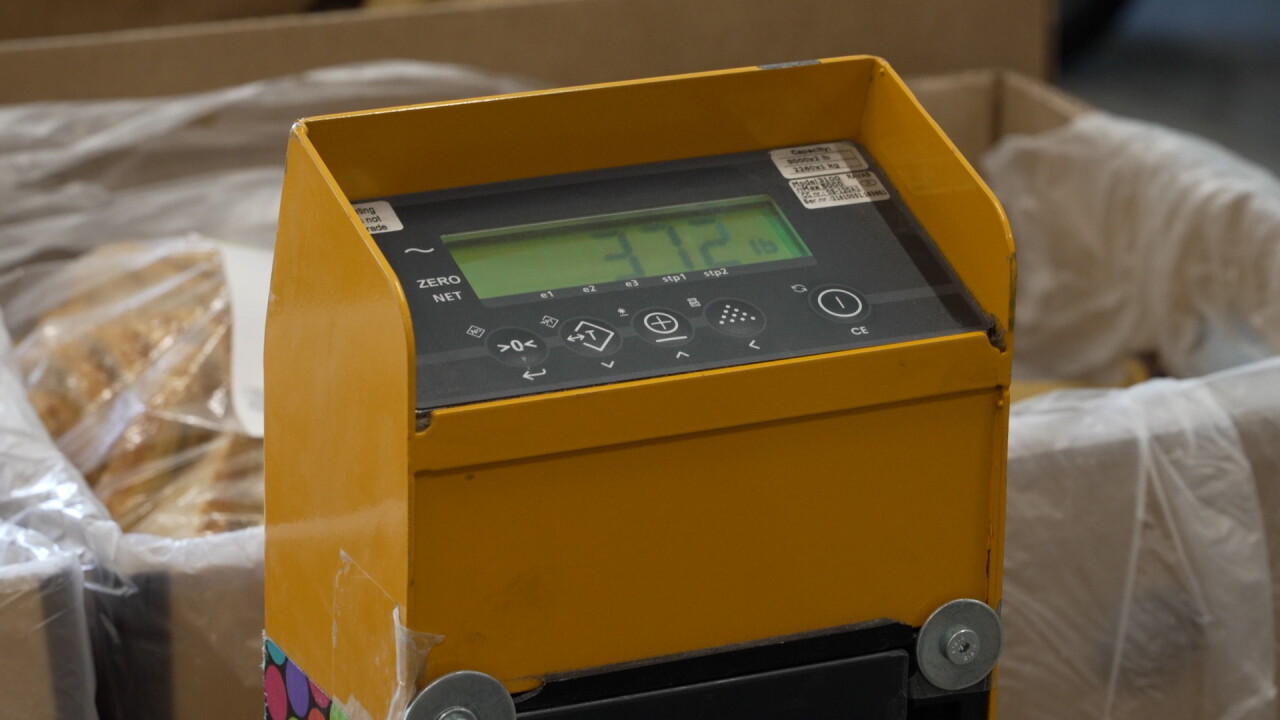
For Helena Food Share, finding those different destinations helps reduce the amount of food ultimately thrown away.
“It’s really valuable that we are able to reduce our food waste with the quantities that we’re dealing with here,” Morey said. “It really adds up and makes a big difference environmentally.”
He said keeping the food out of the landfill also helps prevent methane emissions that would result as food breaks down.
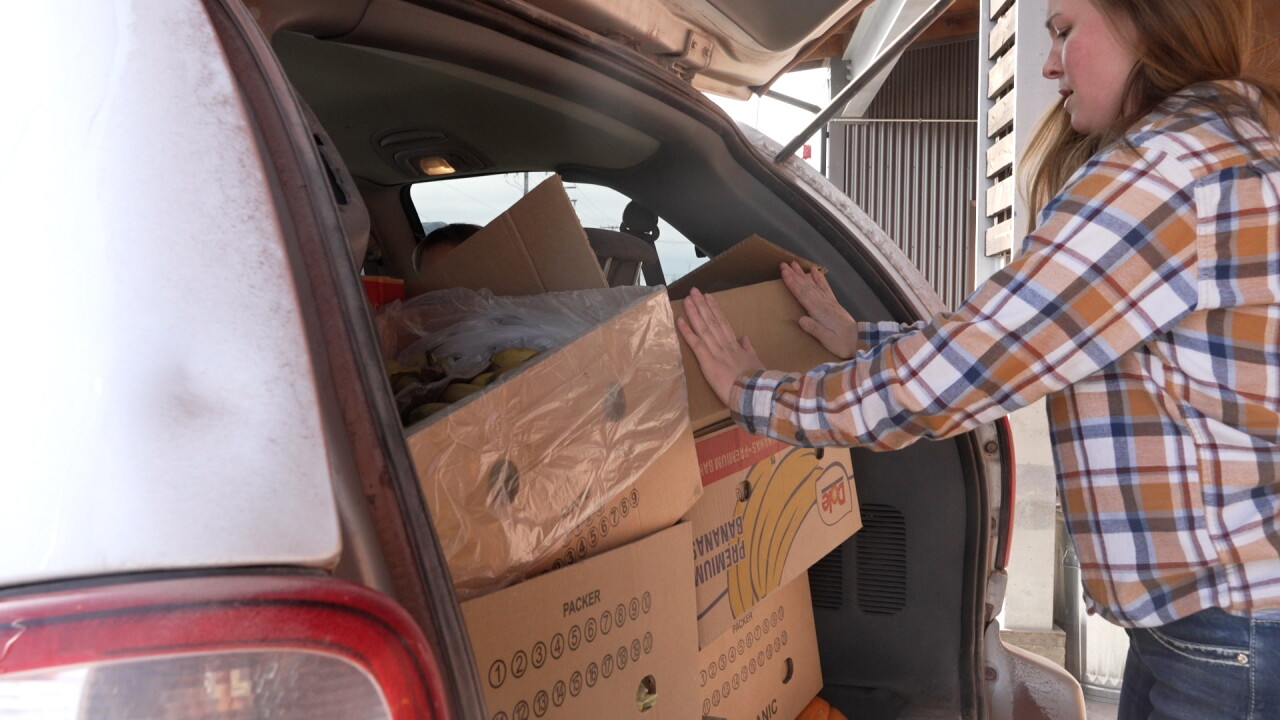
One of the destinations for that food is Hosanna Farms, where owner Kassi Muir has around 75 animals, including chickens, cows, goats, pigs and geese.
Muir connected with Helena Food Share and began making weekly pickups. She said the partnership not only gives the food another use, but also helps offset the cost of feeding dozens of animals.
“It has been such a huge blessing,” Muir said. “It has really cut down on feed cost, plus we feel better utilizing things that would otherwise go in a dumpster.”
Once the food arrives at Hosanna Farms, there is still work to do.
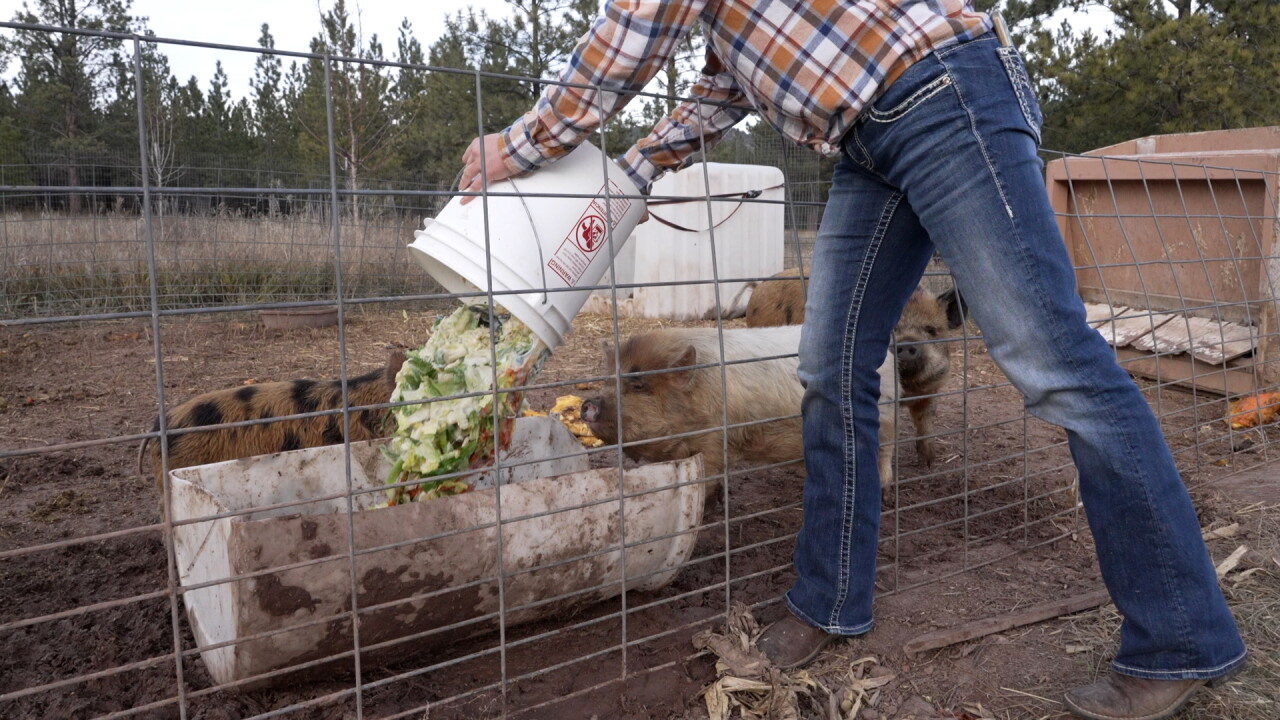
Each morning, Muir goes through the boxes and divides the contents into buckets depending on which animals can eat what. Produce can be used across much of the farm, while the pigs can handle more of the remaining food.
Even the farm’s livestock guardian dogs get some of the haul. Muir said items such as broccoli and pumpkins can be incorporated into their raw-food diet.
The produce becomes especially useful during Montana winters, when the farm can no longer rely on fresh scraps from its own garden.
“The produce is really nice because Montana winters, we obviously can’t feed our garden scraps all year long,” Muir said. “So just being able to give our animals some of those greens throughout the year, some of the nutrition” is helpful.
A pickup from Helena Food Share can last the farm about five days while supplementing the grain it already feeds its animals. Muir estimates the farm goes through around 10,000 pounds of grain in an average year.
Those savings can have an impact beyond the farm.
“It definitely helps us save on those costs, and then we can give back to the community,” Muir said, adding that the farm planned to donate half a side of beef this fall.
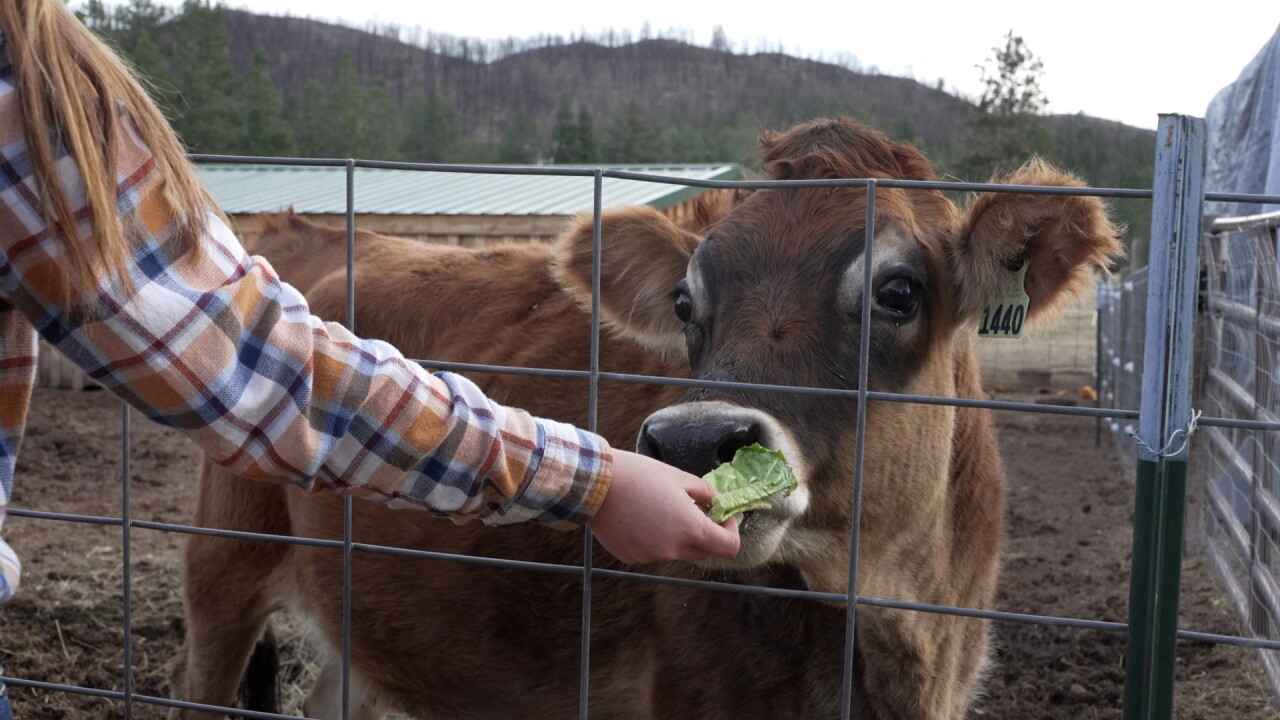
And when the weekly delivery arrives, Muir said the animals have learned what to expect.
“They love it,” she said. “They’ll stand along the fence and just wait for you when you pull up because they know what’s coming.”
For both Helena Food Share and the farmers picking up its discarded food, the arrangement means that something that no longer belongs on a food pantry shelf can still have a useful life, whether that means being composted or becoming the next meal for a hungry animal.
