

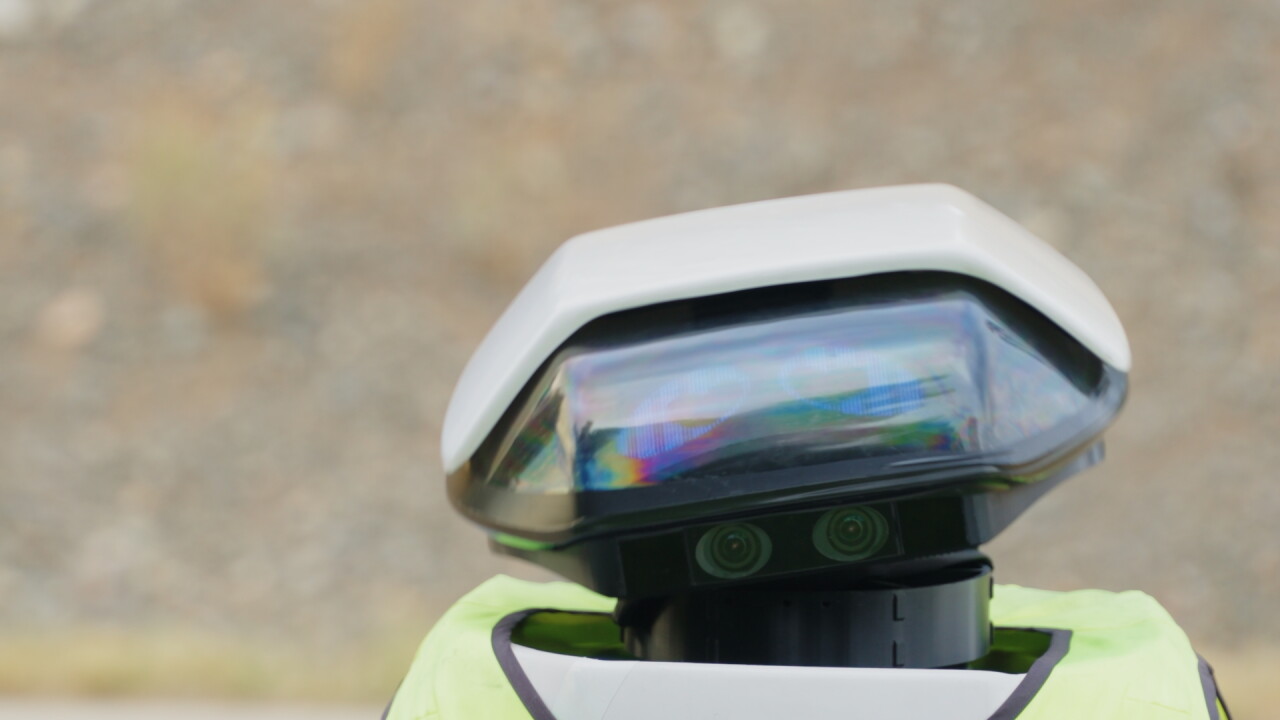

MISSOULA COUNTY — You may have seen a robot rolling around Missoula County's sidewalks. That's Dax.
Daxbots are technology tools being used to measure paths and trails for the County's ADA self-evaluation.
Merrily we roll along: Watch Dax in action
There are at least 4 Daxbots roaming through Missoula County, measuring path slope angle and width. The robots are accompanied by humans in case of any issues.
While Dax may have eyes, the County says it's not recording you. However, it is recording measurements and data so that the county can complete a self-evaluation and fulfill federal obligations.
Dax is deployed on county-owned or maintained shared-use sidewalks, so not every path will be studied.
The County notes that along with using the robot as a tool, they have begun having conversations with those with disabilities to better understand their lived experience.
They plan to combine data collection with input as infrastructure, programs, and policies are reviewed.
Missoula County's contract with Oregon-based contractor LifeQuest is $70,000. They say Dax can survey about eight miles of sidewalk and curb per day, compared to a traditional two-man team, which can get around two miles.
The money allocated for Dax comes from the county's risk fund.
While the robot is continuously collecting measurements on sidewalks and trails, it doesn't replace County staff doing data analysis afterwards and making things more accessible going forward.
The County says they did not eliminate any positions to use this technology. Noting Daxbot's efficiency, they say that they did not consider creating a fixed-term job to survey.
As the county transitions to becoming more navigable for those with disabilities over the next few years, the data collected helps identify where structural changes need to take place and where other improvements can be made.
