


Suicide Prevention Month may have ended, but members of the American Legion say the work of preventing veteran suicide continues every day of the year.
Watch the full story here:
Veterans from across Montana gathered at the Fort Harrison VA in Helena last week to learn how to conduct "buddy checks," simple but intentional conversations designed to reconnect with fellow veterans, identify signs of struggle and offer support before a crisis develops.
The training is part of the American Legion's national Be the One campaign, a suicide prevention initiative launched in 2019 to encourage veterans to look out for one another and intervene when someone may be experiencing challenges.
For many attendees, the training was immediately followed by action. Armed with phone lists and new tools, veterans began making calls to fellow service members, starting conversations with a simple message: "Hey buddy, been thinking about you."
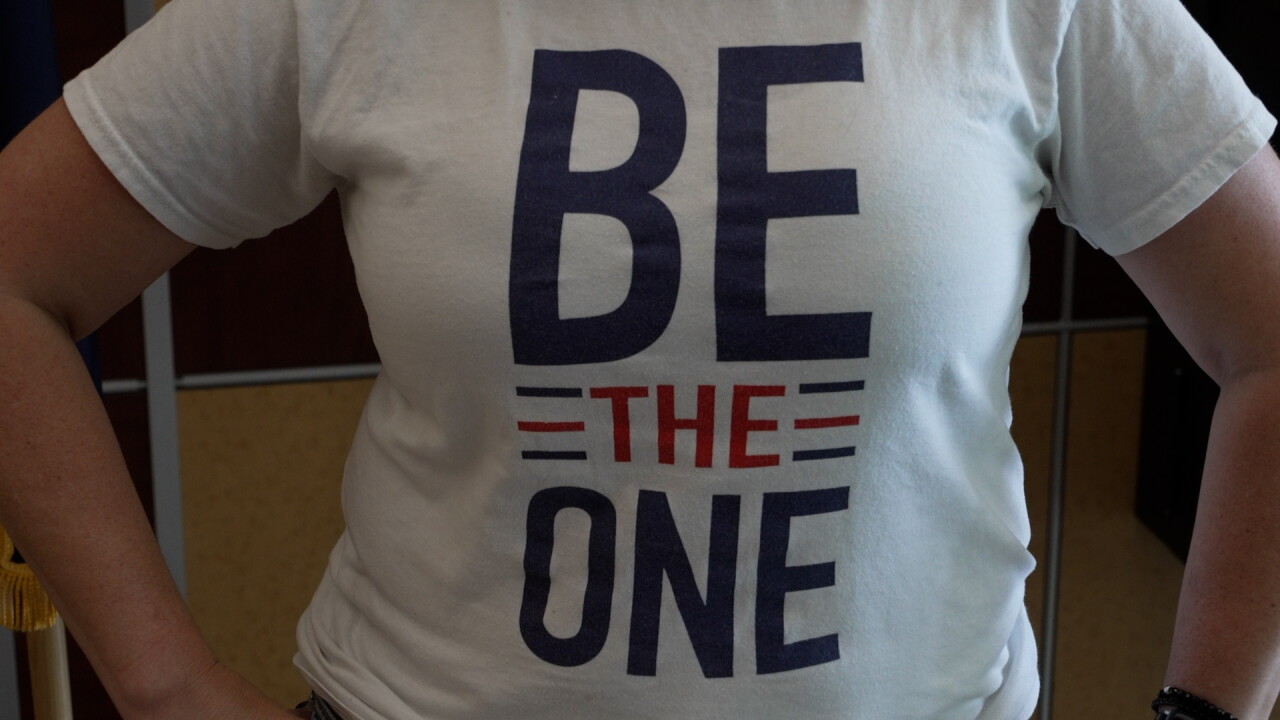
"We want people to be the one to help reduce veteran suicide, even if it's by one," said American Legion National Commander Jay Bowen.
Veterans helping veterans
The concept behind buddy checks is straightforward: veterans often understand experiences and challenges that others may not.
"Veterans understand veterans," Bowen said. "When you're talking to a civilian, sometimes they don't get it. They don't understand. They haven't been there. They haven't lived the life that we've lived."
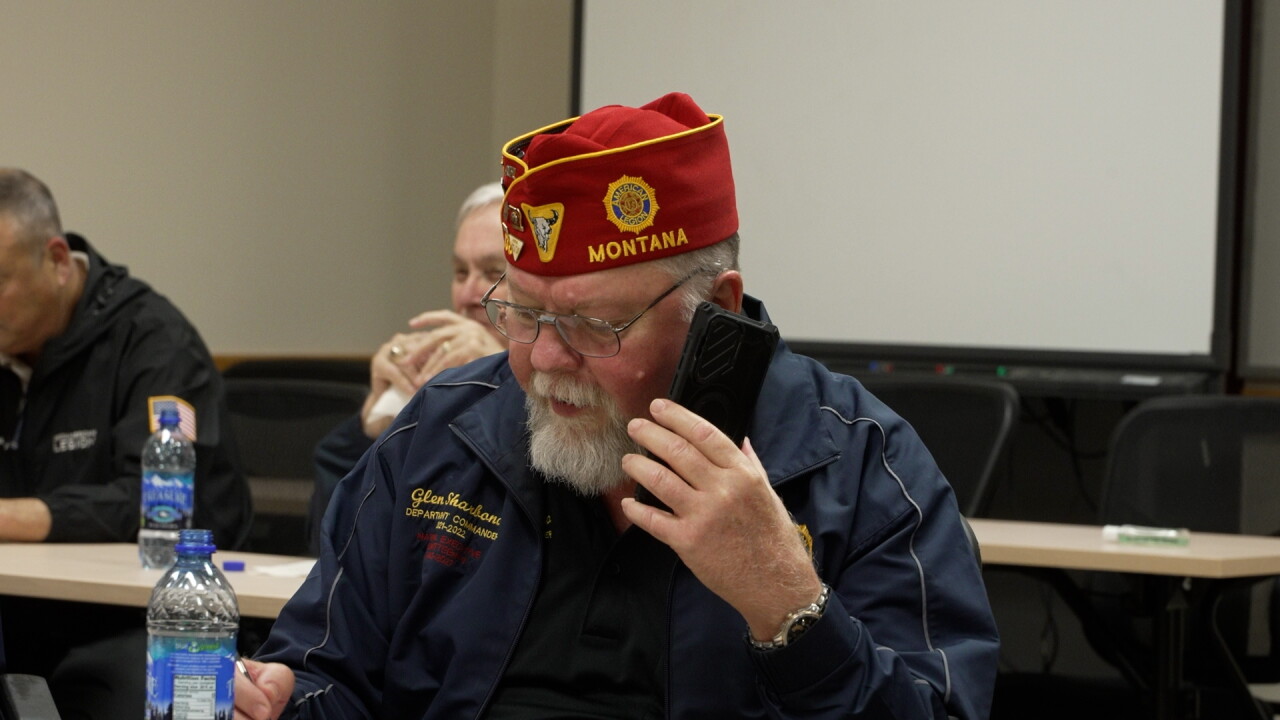
That shared experience can make it easier to recognize when something is wrong.
"A lot of these veterans know the people that they're talking with," Bowen said. "They can tell just from the voice inflection, or since they haven't talked with them in a while, that something is not right from the last time they spoke with them."
American Legion posts across the nation are encouraged to conduct at least one buddy check each year, though many perform them on a monthly basis. In Helena, volunteers worked through a contact list of roughly 150 veterans from the local post, reaching out to ensure those individuals know someone is checking in on them.
Addressing a persistent problem
The Be the One campaign was created as concerns about veteran suicide continued to grow nationwide.
"Veteran suicide rate was up to about 22 veterans a day, and it was just getting out of hand," Bowen said. "It was pandemic stages, and we wanted to do something to help reduce that number."
In Montana, those challenges can be compounded by geography. Many veterans live in isolated rural communities, creating barriers to regular social interaction and peer support.
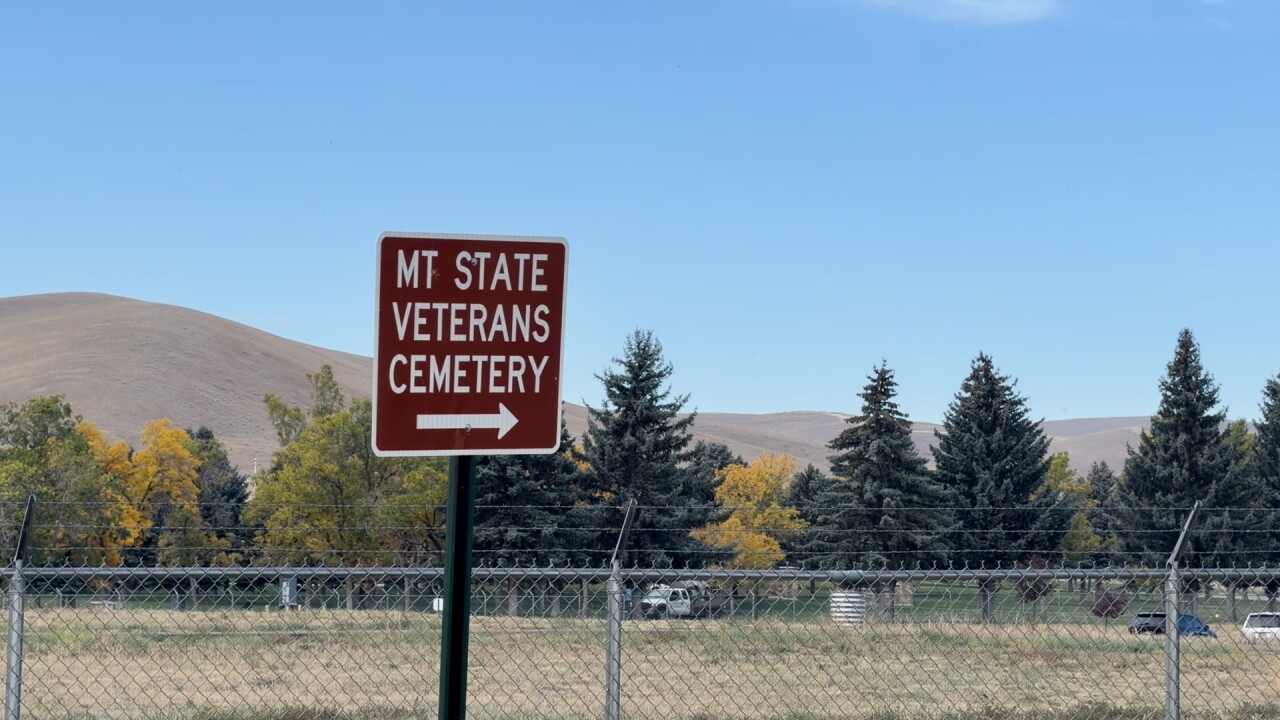
"A lot of veterans reside in these small off-grid places and they just don't have that peer-to-peer relationship to other veterans," said Irene Dickerson, commander of the American Legion Department of Montana.
Isolation, organizers say, is one reason regular outreach can be so important.
Preparing for difficult conversations
The training goes beyond simply encouraging veterans to make phone calls. Participants are also taught how to recognize signs of crisis and connect individuals with professional resources when needed.
"We're not therapists, but we should be able to know where to point them in the right direction," said Brian Carpenter, vice commander for the American Legion Department of Montana.
Carpenter said those making buddy checks must be prepared for difficult and emotional conversations.
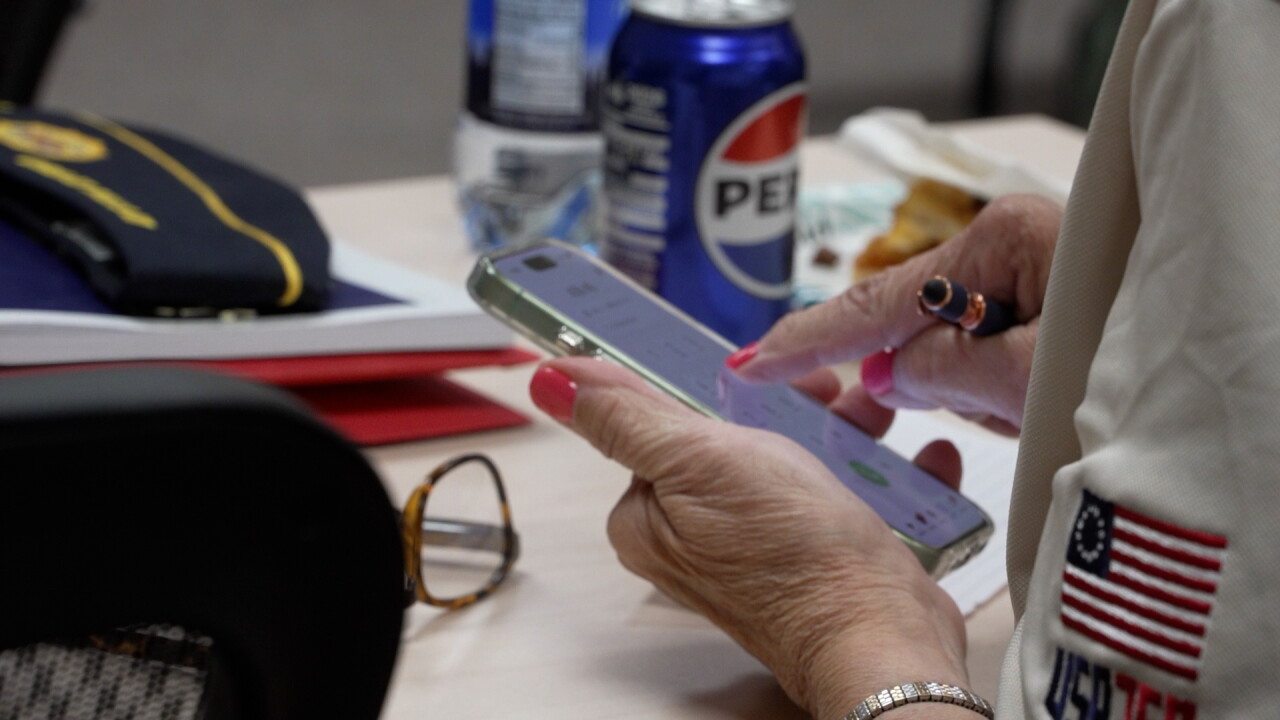
"You really need to be able to accept that that's the worst day of their life and be prepared to handle that situation," he said.
The goal, he said, is ensuring that every veteran knows they remain connected to a larger community.
"To have them feel like they're wanted, they're needed, that they're a part of something. Some of these people, you don't hear from them in quite a long time," Carpenter said.
Sometimes, he added, a simple phone call can have a profound impact.
"You might be that person to turn that around. That's all it takes, is one phone call that could change somebody's life."
A call to action
American Legion leaders hope the training encourages more veterans, family members and community members to reach out when someone comes to mind.
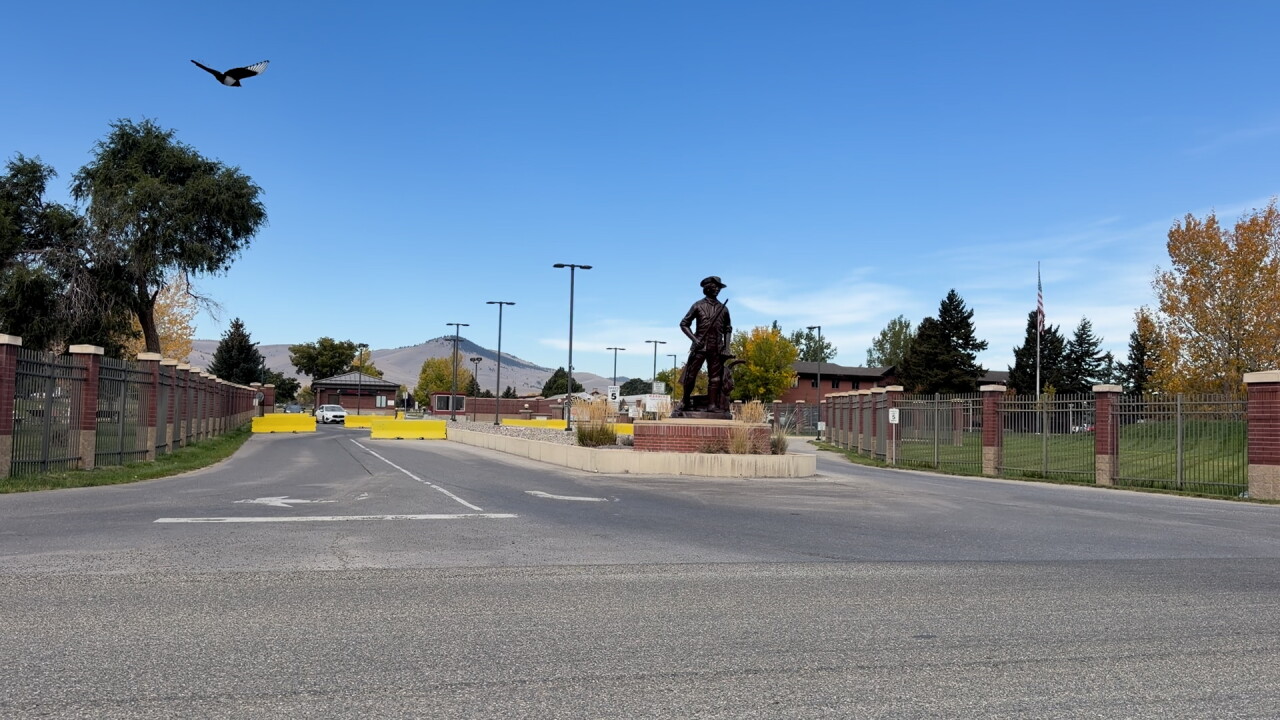
"Do a buddy check," Bowen said. "Don't be afraid to make that phone call. Don't be afraid to have that difficult conversation. You'll be glad you did it."
For members involved in the Be the One campaign, the message is simple: no veteran should have to face life's challenges alone, and sometimes the first step toward helping someone is simply letting them know that somebody cares.
If you or someone you know is experiencing a mental health crisis, call or text 988 and press 1 for the Veterans Crisis Line, available 24 hours a day, seven days a week.
